

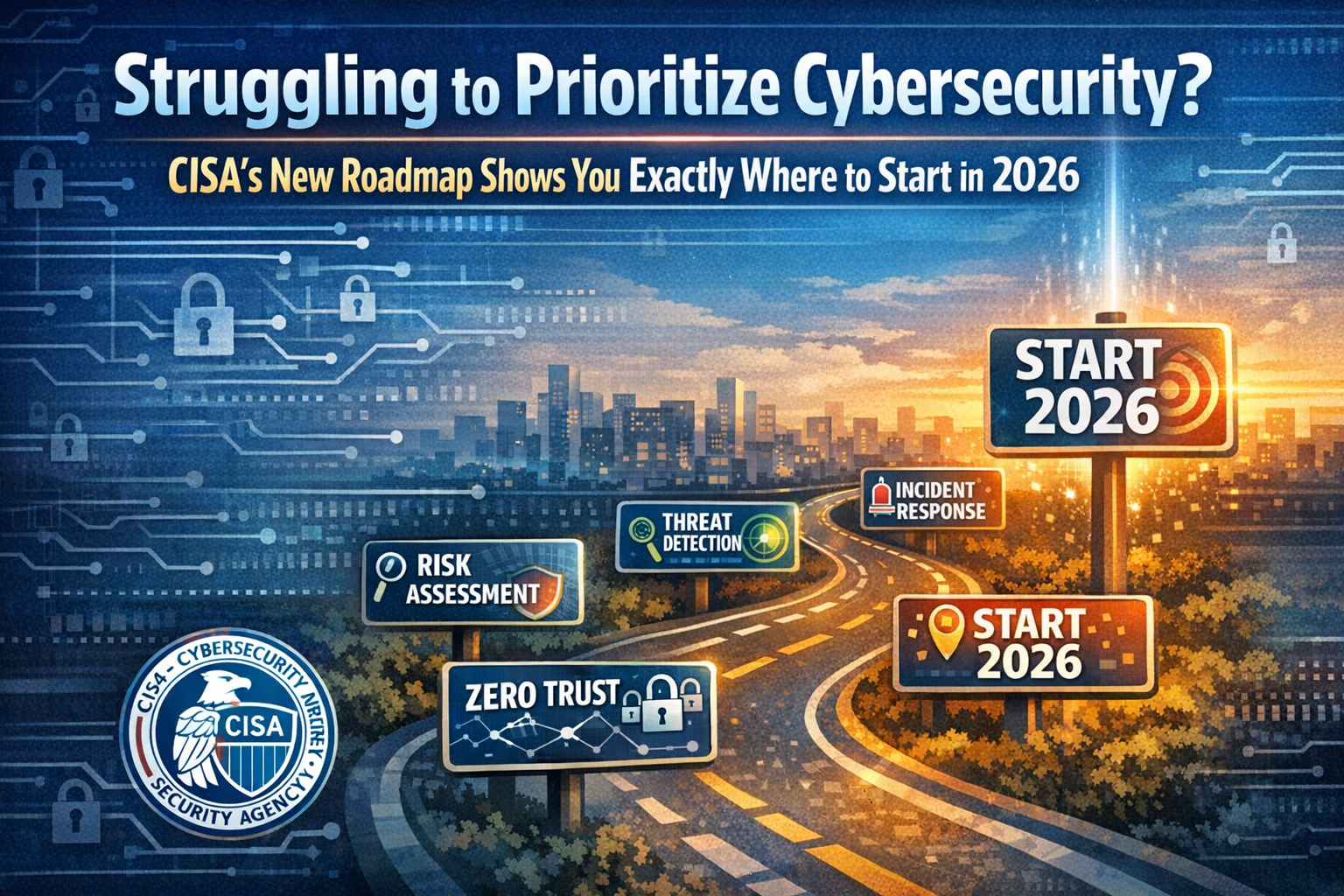
The contemporary digital landscape in 2026 is defined by a paradox of unprecedented connectivity and sophisticated hostility. As organizations across the public and private sectors navigate an era characterized by Agentic AI, decentralized infrastructure, and persistent state-sponsored threats, the necessity for a structured, strategic approach to defense has never been more paramount. The foundational principles of organizational resilience are being tested daily, necessitating a shift from reactive posturing to proactive, intelligence-driven security risk management.
Central to this shift is the culmination of the Cybersecurity and Infrastructure Security Agency (CISA) 2024–2026 Cybersecurity Strategic Plan. As this roadmap reaches its peak in 2026, it provides a definitive framework for organizations struggling to prioritize their limited resources. By aligning institutional goals with the three core pillars established by CISA, addressing immediate threats, hardening the cyber resilience foundation, and driving security through innovation, entities can transition from a state of vulnerability to one of sustained readiness.
The Mandate for Immediate Threat Mitigation
The first objective of any robust cybersecurity program is to enhance the ability to detect, report, and respond to threats with agility. According to CISA, the primary focus must remain on improving visibility across networks and critical systems (CISA, 2024). Without comprehensive visibility, malicious activity can dwell within an environment for extended periods, leading to catastrophic data exfiltration or system disruption.
For a municipality, this visibility is critical for maintaining public trust and safety. Consider a mid-sized city managing water treatment facilities and emergency services. In 2025, several municipalities experienced localized outages caused by exploited legacy software in industrial control systems. By implementing CISA’s recommendation for proactive monitoring and real-time threat data sharing, a municipality can identify anomalous patterns in utility traffic before an adversary can manipulate physical valves or shut down dispatch centers. This convergence of cyber and physical security ensures that the system’s digital integrity directly supports the physical safety of the citizenry.
In addition to visibility, active vulnerability management is required. Organizations must prioritize identifying and patching known, exploited software vulnerabilities. It is no longer sufficient to follow a standard monthly patching cycle; rather, a risk-based approach that focuses on the most critical exploits is imperative.

Strengthening the Cyber Resilience Foundation
While immediate threat response is vital, the long-term viability of an organization depends upon its foundational resilience. This involves implementing proven, effective cybersecurity measures to minimize systemic vulnerabilities. CISA emphasizes that foundational controls, such as multi-factor authentication (MFA), network segmentation, and the securing of cloud environments, are non-negotiable in the 2026 threat environment (CISA, 2024).
In the context of Higher Education, protecting sensitive research data and students’ personally identifiable information (PII) is a significant challenge. Universities often operate in decentralized environments where “bring your own device” (BYOD) policies are standard. As such, implementing network segmentation is essential to prevent lateral movement. If a student’s compromised laptop connects to the campus Wi-Fi, robust segmentation ensures that the threat remains isolated from the university’s financial records or high-value intellectual property stored in research databases.
Furthermore, the adoption of cloud-native security tools is necessary as academic institutions increasingly migrate their administrative functions to the cloud. Ensuring that these environments are configured correctly and that “shadow IT” is brought under the umbrella of official security risk management is a core component of the CISA 2026 roadmap.
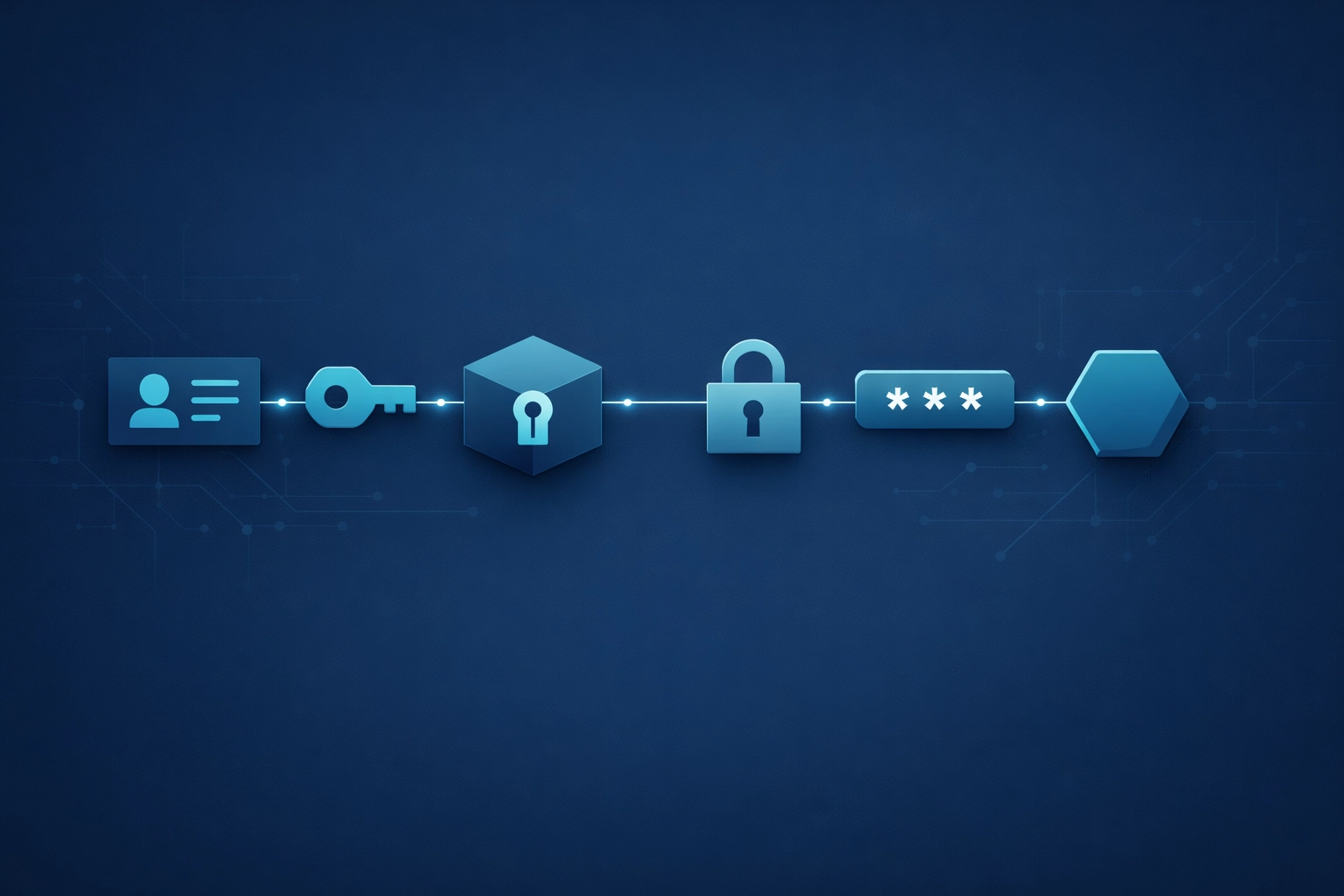
Resilience is achieved when foundational building blocks are secured, monitored, and governed as part of a deliberate, defense-in-depth strategy (CISA, 2024). In practical terms, the “building blocks” of modern operations extend beyond endpoints and servers to include identity credentials, session tokens, configuration states, and other machine-speed artifacts that determine which systems and people are permitted to do what, and when. As such, bridging the gap between physical and cyber security should be treated as a strategic imperative, because disruptions are rarely confined to a single domain. Digital compromise can enable physical impacts, and physical access can be leveraged to accelerate cyber intrusions, necessitating unified risk management for holistic protection.
Security by Design and Workforce Development
The third pillar of the CISA Strategic Plan focuses on the long-term evolution of the ecosystem through “Secure-by-Design” principles and on cultivating a skilled workforce. CISA advocates for a shift in responsibility, where technology vendors are held accountable for the security outcomes of their products, ensuring that security is integrated during the design phase rather than being an afterthought (CISA, 2024).
For corporate organizations, especially those in the manufacturing or financial sectors, partnering with vendors who adhere to these principles is essential for reducing the internal burden of vulnerability management. When software is “Secure-by-Default,” the attack surface is naturally minimized, allowing internal teams to focus on higher-order strategic initiatives.
However, technology alone cannot solve the human element of the security equation. Cybersecurity awareness training remains a cornerstone of any effective program. In 2026, the complexity of social engineering, driven by deepfake technology and automated phishing campaigns, requires more than just annual compliance videos. It requires a culture of continuous learning and cybersecurity training that empowers employees to act as the first line of defense.

Case Study: K-12 Education and the Human Firewall
K-12 school districts have become primary targets for ransomware due to their perceived lack of sophisticated defenses and the high value of the data they hold. By implementing comprehensive cybersecurity awareness training for teachers, staff, and students, a district can significantly reduce its risk profile. When an administrative assistant recognizes a sophisticated AI-generated phishing attempt targeting the district’s payroll system, the “human firewall” has successfully prevented a breach that could have cost the district millions in recovery fees and lost operational time.
Implementing the 2026 Roadmap: Key Questions for Leadership
To align with CISA’s strategic vision, organizational leaders should evaluate their current standing through a series of analytical questions:
- Visibility: How long does it currently take for our security operations to identify a non-authorized entity on our network? Are we utilizing automated threat-sharing platforms?
- Vulnerability Management: Do we have a prioritized list of assets, and is our patching schedule aligned with the “Known Exploited Vulnerabilities” (KEV) catalog provided by CISA?
- Resilience: Is MFA mandated across all external-facing applications and for all privileged accounts without exception?
- Workforce: Does our cybersecurity training program evolve to address 2026-specific threats, such as Agentic AI and credential harvesting via session hijacking?
- Governance: Is our security risk management framework integrated into the overall business continuity plan, or does it exist in a silo?

Moving Toward a Unified Defense
The transition toward a more secure future requires a departure from the “compliance-only” mindset. Adhering to NIST frameworks or ISO standards is an excellent starting point, but true security lies in the continuous application of these principles in real-world scenarios. As we move deeper into 2026, the convergence of different risk domains, including the identity gap created by machine identities and the risks of oversharing in a digital age, demands a unified defense strategy.
Organizations that fail to prioritize these areas risk not only financial loss but also severe reputational damage and regulatory penalties. Conversely, those who embrace the roadmap provided by CISA and seek expert cybersecurity consulting will find themselves better positioned to thrive in an increasingly volatile environment. A strong defense is not merely a cost center; it is a competitive advantage that enables organizations to innovate with confidence.
As the 2024-2026 Strategic Plan concludes its cycle, the lessons learned will inform the next decade of digital defense. The imperative for action is immediate.
Conclusion and Strategic Support
Navigating the complexities of federal guidelines and emerging threats can be a daunting task for even the most well-equipped internal teams. At Credo Cyber Consulting LLC, we specialize in translating high-level frameworks like CISA’s Strategic Plan into actionable, customized roadmaps for our clients. Whether you are a corporate executive looking to secure your supply chain, a school board member aiming to protect student data, or a municipal leader safeguarding critical infrastructure, we provide the expertise necessary to build a resilient future.

Reach out to Credo Cyber Consulting today to guide the development of an efficient and effective cybersecurity program tailored to the demands of 2026 and beyond.
References
- Cybersecurity and Infrastructure Security Agency (CISA). (2023). CISA Strategic Plan 2024-2026. U.S. Department of Homeland Security.
- Cybersecurity and Infrastructure Security Agency (CISA). (2024). FY 2024-2026 Cybersecurity Strategic Plan Performance Updates.
- National Institute of Standards and Technology (NIST). (2024). The NIST Cybersecurity Framework (CSF) 2.0. U.S. Department of Commerce.
- Credo Cyber Consulting LLC. (2026). Mind the Gap: Bridging the Distance Between Perception and Real-World Readiness. https://credocyber.com/mind-the-gap-bridging-the-distance-between-perception-and-real-world-readiness